
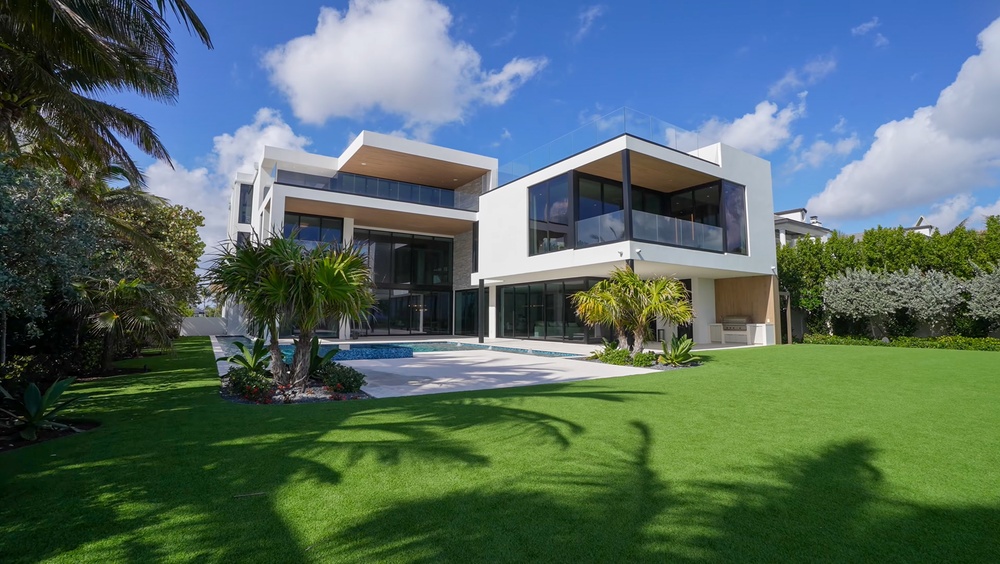
What Are the Top Architecture Trends Shaping Homes?
Home design is constantly evolving to reflect changing lifestyles, technological advancements, and environmental priorities. Today’s homeowners are looking for more than just attractive spaces—they want homes that are efficient, functional, sustainable, and adaptable to their needs. As a result, architects and builders are embracing innovative concepts that improve both aesthetics and everyday living.
Understanding these modern home architecture trends can help homeowners, developers, and builders create spaces that remain relevant and valuable for years to come. From open floor plans and sustainable materials to smart technology and passive design strategies, several key trends are shaping the future of residential architecture.
Open Floor Plans Continue to Dominate
One of the most influential modern home architecture trends remains the open floor plan. Homeowners increasingly prefer layouts that create a seamless flow between kitchens, dining rooms, and living areas. Open-concept designs make homes feel larger, encourage social interaction, and offer greater flexibility for daily activities.
Open floor plans are often paired with expansive windows and glass doors that maximize natural light. Sunlight helps create brighter, more welcoming interiors while reducing the need for artificial lighting during the day. Large windows also strengthen the connection between indoor and outdoor living spaces, allowing homeowners to enjoy views of their surrounding landscape.
Architects frequently incorporate sliding glass walls, oversized windows, and vaulted ceilings to further enhance openness and create a sense of spaciousness throughout the home.
Natural Light as a Design Priority
Natural light has become a central element in residential architecture. Beyond improving aesthetics, daylight offers practical benefits such as energy savings and improved occupant well-being.
Modern homes are being designed with strategic window placement, skylights, clerestory windows, and glass entryways to maximize sunlight throughout the day. These features help reduce energy consumption while creating interiors that feel bright, airy, and inviting.
When natural light is carefully integrated into a home’s design, it can transform the atmosphere of every room and make smaller spaces feel significantly larger.
Passive Design for Energy Efficiency
As energy costs rise and environmental concerns continue to grow, passive design has become one of the most important modern home architecture trends.
Passive design focuses on maximizing a home’s energy efficiency through architectural planning rather than relying solely on mechanical systems. This approach considers factors such as:
- Building orientation
- Window placement
- Insulation performance
- Natural ventilation
- Thermal mass materials
For example, architects may position windows to capture winter sunlight while minimizing heat gain during the summer months. Proper shading devices, overhangs, and ventilation systems further improve indoor comfort while reducing energy consumption.
The result is a home that requires less heating and cooling, lowering utility costs and reducing environmental impact over time.
Sustainable Materials Are Becoming Standard
Sustainability is no longer a niche consideration in residential construction. Many homeowners actively seek environmentally responsible materials that offer durability and long-term value.
Architects are increasingly specifying:
- Reclaimed wood
- Recycled steel
- Bamboo products
- Low-VOC finishes
- Locally sourced building materials
These materials help reduce a project’s environmental footprint while contributing to healthier indoor environments.
Sustainable materials often complement modern architectural styles by introducing natural textures and organic elements. The combination of clean lines and environmentally conscious materials creates homes that are both visually appealing and responsible.
Smart Home Integration Is Reshaping Living Spaces
Technology continues to influence residential architecture in significant ways. Smart home systems are now being incorporated during the design phase rather than added later as upgrades.
Modern homeowners expect features such as:
- Automated lighting controls
- Smart thermostats
- Integrated security systems
- Voice-controlled devices
- Energy monitoring technology
These systems improve convenience, efficiency, and security while allowing homeowners to manage many aspects of their property remotely.
As smart technology becomes more sophisticated, architects are designing homes with dedicated infrastructure to support future technological advancements, ensuring long-term functionality and adaptability.
Minimalism Remains a Strong Influence
Minimalist design continues to shape contemporary residential architecture. Homeowners are increasingly prioritizing simplicity, functionality, and clutter-free living.
This trend is reflected through:
- Clean architectural lines
- Open spaces
- Neutral color palettes
- Hidden storage solutions
- Purposeful design elements
Minimalism does not mean sacrificing comfort. Instead, it emphasizes thoughtful design choices that create calm, organized environments. By eliminating unnecessary features and focusing on quality over quantity, minimalist homes often feel more spacious and timeless.
Outdoor Living Is Becoming More Integrated
Another significant trend shaping modern homes is the growing emphasis on outdoor living. Homeowners want exterior spaces that function as extensions of the interior.
Architects and builders are increasingly designing:
- Covered patios
- Outdoor kitchens
- Fire pit areas
- Entertainment spaces
- Multi-functional backyards
Professional Landscaping Services play an important role in bringing these outdoor environments to life. Coordinating landscaping with architectural design helps create a seamless transition between indoor and outdoor spaces while enhancing both usability and curb appeal.
Well-designed landscapes also support sustainability goals through efficient irrigation systems, native plant selections, and thoughtful site planning.
Build a Strong Foundation From Day One
Avoiding common excavation site preparation mistakes starts with thorough planning, proper testing, and experienced execution. From soil analysis and grading to utility checks and safety procedures, every step plays a critical role in the success of a construction project. Taking the time to address these details before construction begins can help prevent costly delays, structural issues, and safety concerns down the road.
If you’re preparing a site for new construction, retaining walls, or a home addition in Farmington, partnering with experienced professionals is one of the best investments you can make. The team at Barlow Construction provides expert excavation and site preparation services designed to create a stable, safe, and properly graded foundation for your project, helping ensure long-term performance and peace of mind.
RELATED POSTS

Top Landscaping Projects to Consider in the Fall Season

Low Maintenance Front Yard Landscaping: Features to Consider
