
What Are the Best Practices for Maintaining Residential Concrete Surfaces?
Concrete is a durable choice for driveways, patios, walkways, pool decks, and other residential outdoor spaces. However, even strong concrete surfaces need regular care to stay attractive and perform well over time. Simple maintenance can help prevent stains, surface damage, cracks, and costly repairs.
Following a few practical, concrete maintenance tips can protect your investment and help your outdoor surfaces last longer.
Clean Concrete Surfaces Regularly
Regular cleaning is one of the easiest ways to maintain residential concrete. Dirt, leaves, mud, oil, and other debris can build up on the surface and eventually cause staining or discoloration.
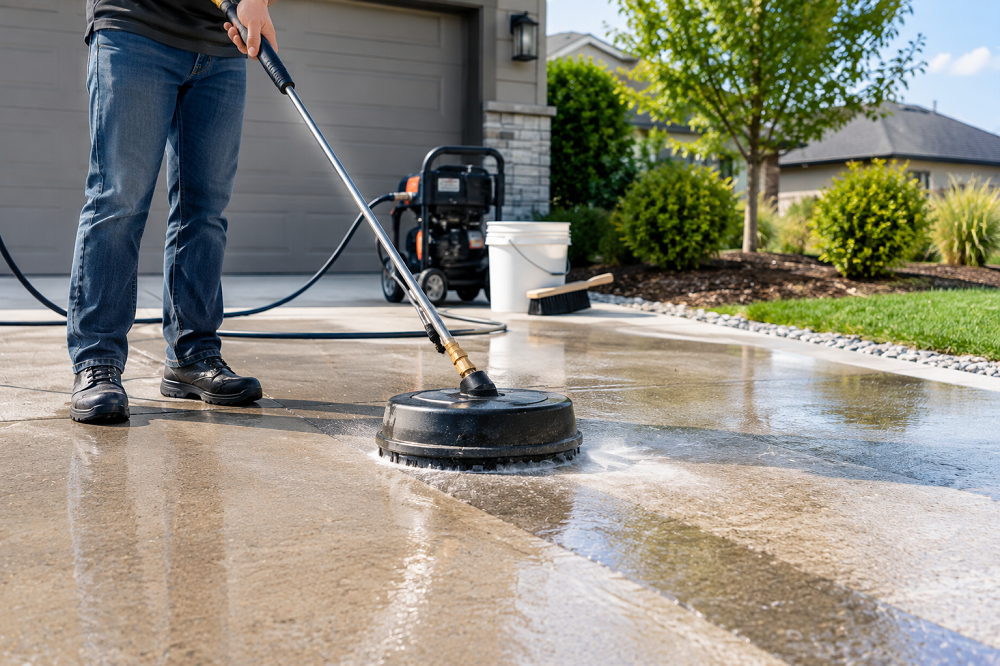
For routine cleaning, use a mild detergent mixed with water and a stiff-bristled brush or suitable pressure washer setting. Avoid harsh cleaning chemicals unless they are specifically designed for concrete, as some products can damage the surface or affect its finish.
Cleaning is especially important for high-use areas such as driveways and patios. Removing spills and stains promptly can also keep them from becoming more difficult to treat later.
Reseal Concrete Every 2–3 Years
Sealing provides an additional layer of protection against moisture, stains, weather exposure, and everyday wear. Depending on the type of concrete, amount of traffic, and local conditions, residential surfaces may benefit from resealing approximately every two to three years.
A fresh sealer can help protect the surface while maintaining its appearance. It can also make cleaning easier by reducing the ability of dirt and certain substances to penetrate the concrete.
Before resealing, the concrete should be thoroughly cleaned and allowed to dry. Existing damage should also be addressed so the sealer can provide the most effective protection possible.
Avoid De-Icing Chemicals During Winter
Winter maintenance requires particular care. Some de-icing chemicals can contribute to surface deterioration, especially when concrete is repeatedly exposed to freezing and thawing conditions.
Instead of relying heavily on chemical de-icers, consider using alternatives such as sand or other traction materials when appropriate. Snow should also be removed with tools that are less likely to damage the concrete surface.
Taking preventative measures during winter can help minimize surface wear and preserve the condition of driveways, walkways, and patios through repeated seasonal changes.
Repair Cracks Early
Small cracks may seem like a minor cosmetic issue, but they should not be ignored. Water can enter cracks and contribute to additional deterioration, particularly when temperatures fluctuate.
Addressing cracks while they are still small can help prevent them from spreading and becoming more difficult or expensive to repair. Keep an eye out for new cracks, widening gaps, uneven areas, or sections of concrete that begin to deteriorate.
If you notice significant cracking or other structural concerns, a professional evaluation can help determine the appropriate repair approach.
Protect High-Traffic Concrete Areas
Driveways and frequently used walkways experience more wear than areas that receive occasional foot traffic. Avoid placing unusually heavy loads on concrete that was not designed to support them, and address spills such as oil or automotive fluids as soon as possible.
Furniture, planters, and other outdoor features should also be positioned carefully to avoid unnecessary damage or concentrated pressure on the surface.
Simple preventative habits can reduce everyday wear and help residential concrete maintain its appearance for longer.
Watch for Drainage Problems
Water management is another important part of concrete maintenance. Standing water around patios, walkways, and driveways can contribute to surface deterioration and may affect nearby landscaping.
Pay attention to areas where water consistently pools after rain or irrigation. Proper grading and drainage can help direct water away from concrete surfaces and prevent prolonged moisture exposure.
If drainage problems are affecting your outdoor areas, they may need to be addressed alongside concrete repairs or landscaping improvements.
When to Consider Professional Concrete Services
Routine maintenance can go a long way, but some concrete projects require professional attention. Significant cracks, damaged surfaces, drainage concerns, new installations, and larger repairs should be evaluated by experienced professionals.
Wright Landscaping provides Residential Concrete Services for homeowners looking to install, improve, or repair concrete features as part of their outdoor spaces. Professional installation and repair can help ensure concrete is properly prepared, placed, and finished for its intended use.
Keep Your Residential Concrete Looking Its Best
Maintaining residential concrete does not have to be complicated. Regular cleaning, periodic resealing, careful winter maintenance, and early crack repairs can help protect concrete from everyday wear and changing weather conditions.
By making maintenance part of your regular property care routine, you can help extend the life of your patios, driveways, walkways, and other concrete surfaces while keeping your outdoor spaces looking clean and well-maintained.
RELATED POSTS

Top Landscaping Projects to Consider in the Fall Season

Low Maintenance Front Yard Landscaping: Features to Consider
